Hey, navigating the world of interior design and electrical fixtures isn’t always straightforward. Finding the right suppliers really makes all the difference. Lately, the market for Light Switch Glass Factories has been booming, and everyone’s talking about how important quality and dependable service are in this space. Industry pro John Smith even says, “The right glass finishes can turn a simple light switch into a real style statement.”
China, in particular, has become a major hub with some seriously innovative and skilled factories. They focus on creating high-quality glass parts that meet all sorts of international standards. But, here’s the thing—sorting through all these manufacturers can be a bit tricky. Not every factory has the same level of skill or consistency, so it’s crucial to do your homework and really check things out before making any commitments.
Sure, some factories might present themselves as top-tier, but not all actually meet the demanding standards of the global market. It’s super important to understand the ins and outs of each company, and don’t be shy about verifying what they claim. Talking to multiple suppliers can really highlight the differences—when it comes to quality, service, or even lead times. After all, in this industry, aesthetics and safety go hand in hand—so choosing the right factory isn’t just a detail, it can impact things in the long run.
Overview of the Light Switch Glass Industry in China
The light switch glass industry in China is rapidly evolving. A growing demand for modern and stylish home fixtures drives innovation. Manufacturers focus on high-quality materials that offer durability and aesthetic appeal. This shift reflects the increasing consumer preference for visually striking products in residential and commercial spaces.
Manufacturers often face challenges in maintaining balance between quality and cost. While many factories emphasize craftsmanship, not all succeed. Some struggle with consistency in production standards. Selecting the right supplier can be difficult for global buyers. It requires thorough research and engagement with multiple manufacturers. Not all factories have the same level of expertise.
The industry landscape is competitive, with many players vying for attention. Buyers should carefully assess potential partners based on their experience and reputation. Transparency in operations is crucial. Understanding the capabilities and limitations of factories can lead to better decisions. Engaging in dialogue with suppliers may reveal their strengths and weaknesses.
Key Factors Defining Quality in Light Switch Glass Manufacturing
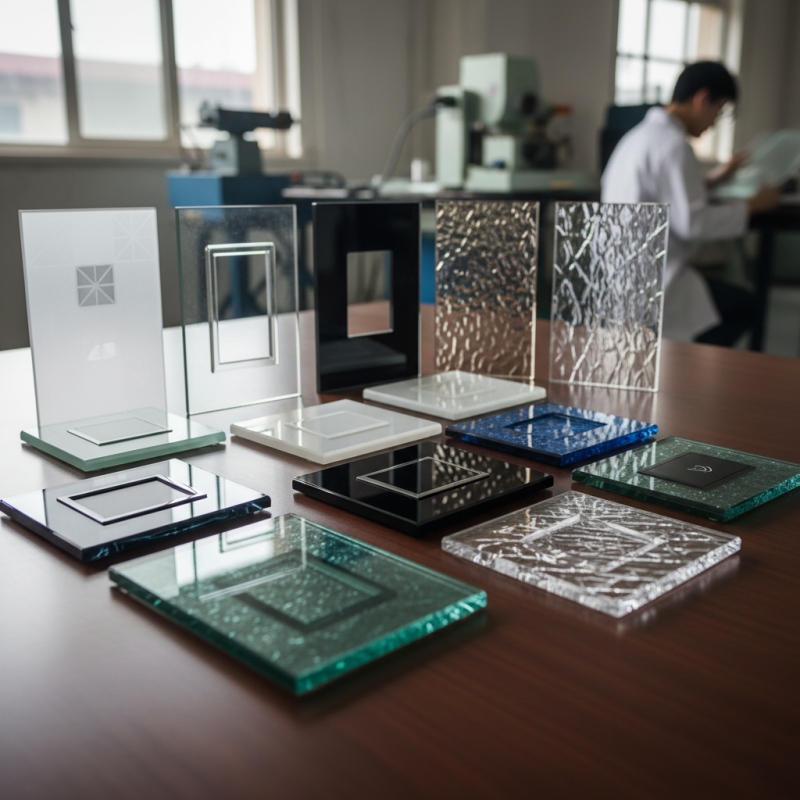
When assessing light switch glass quality, several key factors come into play. The clarity and durability of the glass are crucial. Buyers should ensure that the materials used meet international safety standards. High-quality glass should be able to withstand temperature changes without cracking. Transparent and smooth finishes enhance aesthetics and usability.
Manufacturing processes also matter significantly. Advanced technologies and skilled labor are essential for producing durable products. Inconsistent production methods can lead to defects. Scratches and imperfections on the surface can diminish overall quality.
Glass Switch Factories must strictly monitor their production lines. Regular quality checks can identify flaws early in the manufacturing process.
Design plays a role in usability and appeal. Buyers might overlook how ergonomics influence user experience. A stylish design can elevate a simple item like a light switch. However, aesthetic features should not compromise safety. It is important to balance beauty and functionality. Reliable glass switch factories focus on both these aspects to ensure complete customer satisfaction.
Top 10 Leading Factories for Light Switch Glass Production
China has become a hub for
Light Switch Glass
production. Many factories focus on quality and technology. They employ skilled workers who understand glass manufacturing intricacies. Each factory has unique strengths, from design to finishing. This diversity allows buyers to choose based on specific needs.
Some factories produce high volumes while maintaining quality. They invest in modern machinery that ensures
precision. Others emphasize custom designs, catering to
niche markets. However, not every factory meets international standards. Some struggle with consistency in quality control. Buyers should conduct
thorough research before making decisions.
Local partnerships also play a crucial role. Establishing a relationship with factories can lead to
better communication and understanding of product needs. However, this requires time and effort from buyers. Understanding the factory's background and expertise is essential. Gathering reviews can provide insight into their
reputation in the light switch glass industry.
Comparison of Manufacturing Techniques in Light Switch Glass Factories
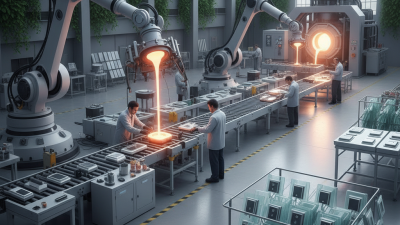
In the world of manufacturing, techniques vary significantly among light switch glass factories in China. These factories utilize different processes, leading to distinct product qualities. For instance, some employ advanced casting methods, while others rely on traditional pressing techniques. The choice of method influences not just the cost but also the durability of the Switch Light Glass.
Another point of interest is the finishing touches applied to the glass. Some factories focus on surface coatings that enhance aesthetics and minimize reflections. These coatings can sometimes fall short of expectations, affecting the ultimate user experience. It’s essential to consider how these variations may impact your final product.
The production environment also plays a key role in quality. Cleanliness and control over the conditions can greatly differ from one factory to another. Poor conditions may lead to defects that are not initially visible. Observing the production practices in person can provide a clearer picture of reliability. Each factory’s approach reveals both strengths and areas needing improvement, emphasizing the importance of careful selection for global buyers.
Sustainability Practices in Chinese Light Switch Glass Manufacturing
Sustainability has become a critical concern in the light switch glass manufacturing sector in China. Many factories are adopting eco-friendly practices. They are focusing on reducing waste during production. Recycling materials is now standard in several facilities. This not only conserves resources but also minimizes environmental impact.
Some factories still face challenges in fully implementing sustainable methods. For instance, energy consumption remains high in certain processes. Moreover, not all manufacturers prioritize sourcing raw materials responsibly. Transparency is lacking in many areas. This raises questions about the overall sustainability of their practices. Despite these issues, leading manufacturers are striving to improve. They invest in cleaner technologies and better management systems.
With growing consumer awareness, pressure is mounting on all factories to adapt. Innovative solutions are necessary to address these sustainability gaps. Collaboration among suppliers, manufacturers, and buyers can drive positive change. The journey toward sustainability in light switch glass manufacturing continues, with significant progress yet to be made.
Sustainability Practices in Chinese Light Switch Glass Manufacturing
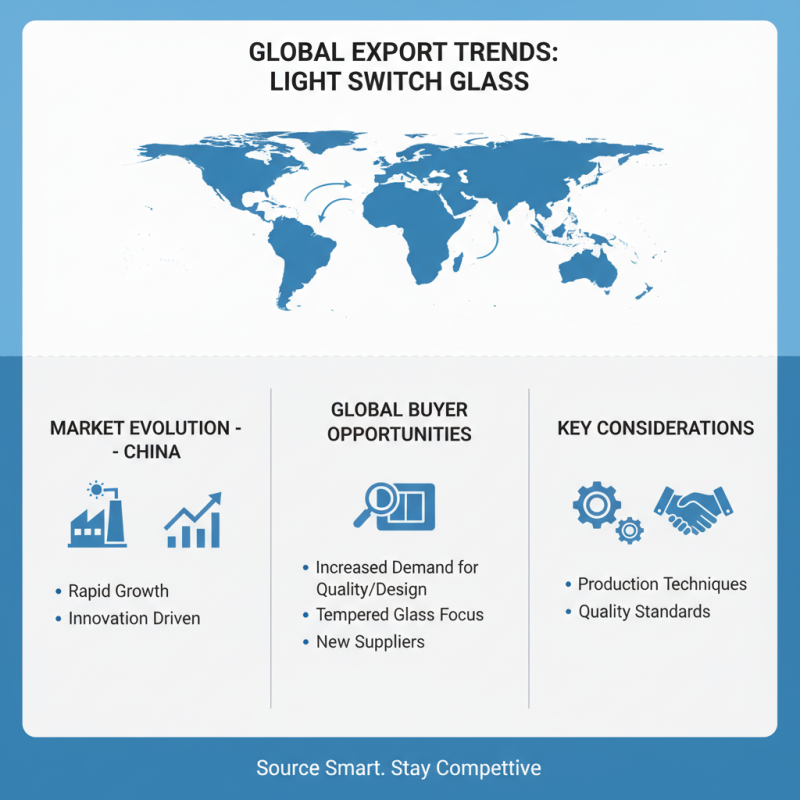
Export Trends and Opportunities for Global Buyers in Light Switch Glass
The light switch glass market in China is evolving rapidly. As global demand for quality and design increases, opportunities abound for buyers seeking Tempered Glass Light Switch products. This shift heightens competition, pushing manufacturers to innovate. Buyers must pay close attention to production techniques and quality standards.
The export trends indicate a growing preference for sustainable materials. Many factories are adapting to eco-friendly practices, which attract conscious consumers. However, not every factory meets these standards consistently. Buyers should conduct thorough research to ensure reliability and quality.
Another challenge involves understanding market dynamics. While some factories may offer low prices, the quality often suffers. Global buyers must be cautious and prioritize quality assurance over cost savings. This reflection is crucial to making informed purchasing decisions in a market that thrives on both innovation and integrity.
Future Prospects of the Light Switch Glass Market in China
The light switch glass market in China is experiencing significant growth. According to recent industry reports, the market is projected to expand at a compound annual growth rate (CAGR) of 8.5% from 2023 to 2030. This growth is driven by increasing demand in residential and commercial sectors. The rise of smart homes contributes to this trend. Consumers prefer aesthetically pleasing and functional light switch designs.
While the demand is rising, challenges remain. Manufacturers face stiff competition and pressure to innovate. The supply chain has also been affected by material costs and logistics. These factors could impact profit margins. Moreover, there is a growing need for sustainable practices in production. Environmental regulations are becoming stricter. Companies that adapt quickly will likely capture more market share.
In this evolving landscape, staying updated with market trends is crucial. The shift towards automation and smart technology is crucial for future growth. Understanding consumer preferences will play a key role in product development. Investing in research is essential to stay ahead. Balancing innovation with sustainability is a pressing concern for future prospects.
Top 10 Light Switch Glass Factories in China for Global Buyers
| Factory Location |
Annual Production Capacity (Units) |
Key Export Markets |
Technology Used |
Certifications |
| Guangdong |
2,000,000 |
North America, Europe |
Automation, CNC Machining |
ISO 9001, CE |
| Zhejiang |
1,500,000 |
Asia, Middle East |
3D Printing, Glass Casting |
ISO 14001, ROHS |
| Shandong |
1,200,000 |
Europe, Australia |
Injection Molding, Laser Cutting |
UL, CCC |
| Jiangsu |
1,800,000 |
North America, Africa |
Blow Molding, Surface Treatment |
ISO 9001, CE |
| Shanghai |
1,000,000 |
Asia, Europe |
Robotic Assembly, Smart Technology |
ISO 45001, ROHS |
| Tianjin |
600,000 |
Africa, Middle East |
Manual Assembly, Custom Design |
CE, IEC |
| Fujian |
800,000 |
Europe, North America |
Glass Molding, Smart Features |
ISO 9001, ROHS |
| Hunan |
500,000 |
Asia, Australia |
Injection and Hot Pressing |
CE, UL |
| Sichuan |
300,000 |
Middle East, Europe |
Custom Fabrication, Smart Tech |
ISO 45001, CE |
| Liaoning |
700,000 |
North America, Africa |
CNC Machining, Surface Treatment |
ISO 9001, ROHS |
Innovative Solutions: OEM 0.55-2mm Tempered Ar/AG Glass for Enhanced Display Protection and Aesthetic Appeal
The integration of innovative glass solutions is revolutionizing display protection, particularly with the introduction of OEM solutions featuring tempered glass in thicknesses ranging from 0.55mm to 2mm. This industrial-grade cover glass is meticulously crafted to endure the rigors of demanding environments, providing exceptional impact and scratch resistance. It serves as an ideal choice for control panels and various display applications, where durability and clarity are paramount.
Beyond its robust construction, this glass also offers enhanced visibility with optional coatings. The anti-glare (AG) and anti-reflective (AR) finishes are specifically designed to optimize performance in different lighting conditions, ensuring that displays remain clear and legible without unwanted reflections. This adaptability makes it suitable for a wide array of applications, from industrial equipment to consumer electronics.
Customization options, such as silk-screen printing, further enhance the utility of this tempered glass. Clients can incorporate branding, logos, or functional UI elements directly onto the surface, enabling a cohesive and professional look that aligns with their designs. With reliable OEM services tailored to individual requirements, manufacturers can ensure that their industrial equipment not only meets durability standards but also presents an aesthetically appealing front to users.
FAQS
: Clarity and durability are key factors. Glass must meet safety standards and resist temperature changes.
Advanced technologies and skilled labor ensure durable products. Inconsistent methods can result in defects and scratches.
A stylish design enhances usability but must not compromise safety. Ergonomics are important for user experience.
Some struggle with consistency and do not meet international quality standards. Research is essential before purchasing.
Many are adopting eco-friendly methods, like reducing waste and recycling materials, despite some still facing significant challenges.
Some factories do not prioritize responsible sourcing of raw materials, raising questions about sustainability efforts.
Building local partnerships leads to better communication but requires effort and understanding of the factory's expertise.
Collaboration among suppliers and manufacturers can lead to innovative solutions addressing environmental concerns.
Leading manufacturers invest in cleaner technologies, yet significant improvements are still needed in many factories.
Growing awareness pressures factories to adopt better sustainability practices. Adaptation is crucial for staying competitive.
Conclusion
The title "Top 10 Light Switch Glass Factories in China for Global Buyers" provides a comprehensive overview of the light switch glass industry in China, highlighting the essential factors that define quality in manufacturing. It explores the top 10 leading light switch glass factories, comparing their manufacturing techniques and examining sustainable practices that appeal to environmentally-conscious consumers. The article delves into the export trends and opportunities for global buyers, signaling a growing market for light switch glass products.
Furthermore, the future prospects of the light switch glass market in China look promising, driven by technological advancements and increasing demand from international markets. As these light switch glass factories enhance their production capabilities and sustainability efforts, they position themselves as vital players in the global marketplace, ready to meet the evolving needs of buyers worldwide.